
OCHA in Solari Negative
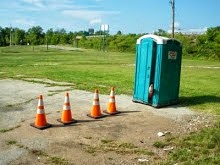
Is it art? Should I send it to the Art Museum and see if they will hang it on their wall? I don't know. Why does my camera even have this setting? What would you use this setting for anyway?
No OCHAs were dyed or harmed in anyway during this photo session. They are standard orange with reflective white stripes. The neatly stacked pile of wooden 10 x 10's behind them are a dark brown with their ends painted with some sort of red-ish sealant. The background consists of green grass and weeds. What appears to be green grass is actually a slate blue gravel walk way.


4 comments:
Cool pic!
LMAO! Cool pic! I'll have to try out my "tungsten" setting one day.
very unusual setting...I'd like to know if you ever find out wtf they put that setting on the camera for.
On my camera there are two separate settings, one is "White Balance" which has the following options Auto, Sunny, Cloudy, Tungsten and Fluorescent. According to the manual, you can change this setting from Auto to one of the others depending on the lighting you have.
Tungsten is a brilliant white light they use for things like TV studio lighting and it washing out colors in its own way. You probably have seen what florescent lighting does (from Walmart and Kmart) to colors -
I tried sunny and cloudy on my camera and the colors come out much more normal looking - Chicago might want to try those for outdoor shots.
The camera also has a "Color Tones" setting - which include Auto, Solari, Sepia, and Black/White and the "Negative" versions of each of these. The Negative version is like a film negative and the manual says if you want to make prints the old fashion way (with chemicals in a dark room), you can use the negative photo file version.
I'm sure this is way more than anyone wanted to know. LOL
Post a Comment